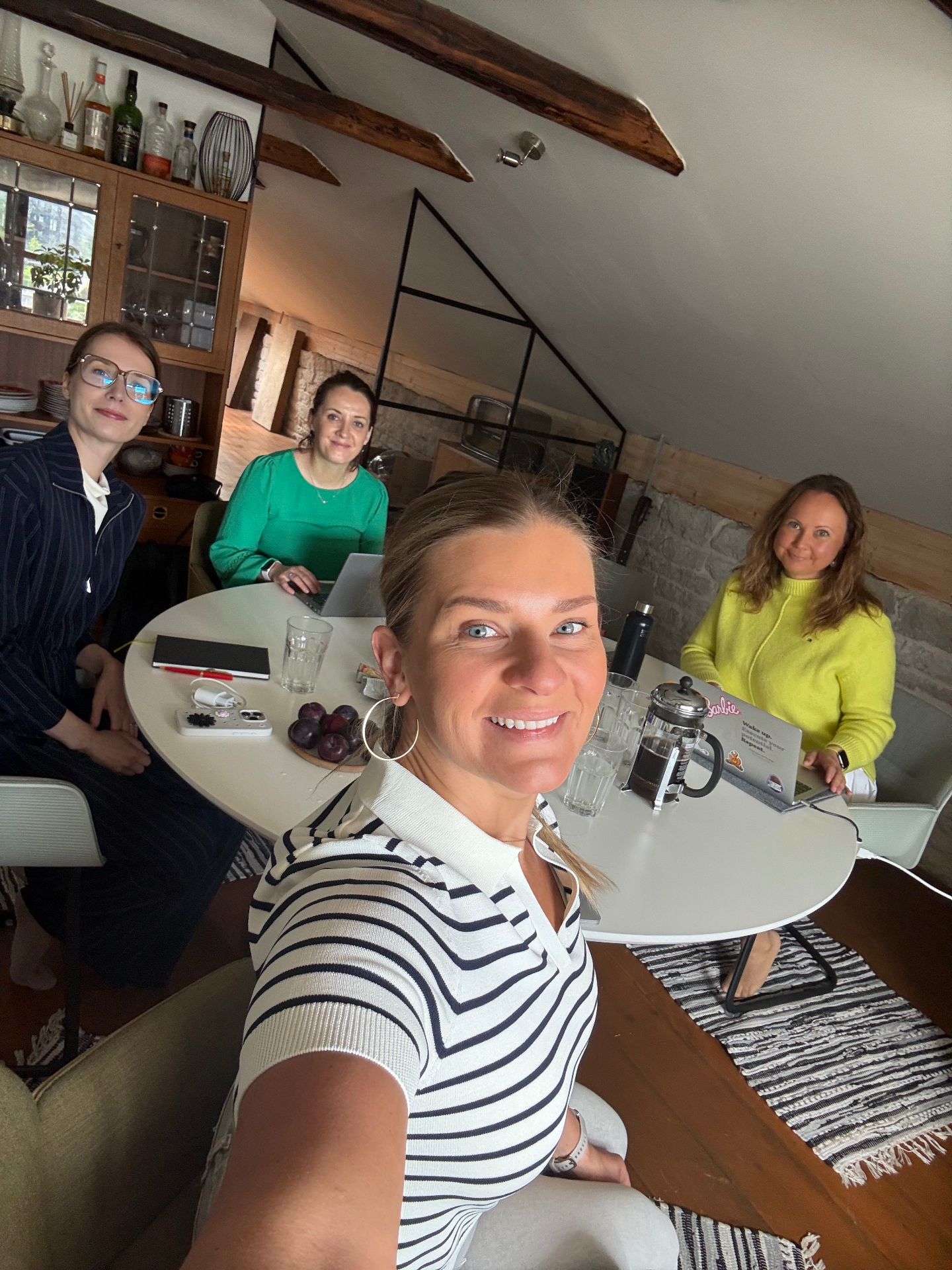
Build your company's second brain
How much of your company still runs from your head? Two days to pull it out, shape it with peers, and turn it into operating principles your team and your AI tools can actually use.
Apply for the September cohortSeptember 22–23, 2026 · London · 9 seats · £790 + VAT
Early Bird price until 1 September: £550 + VAT
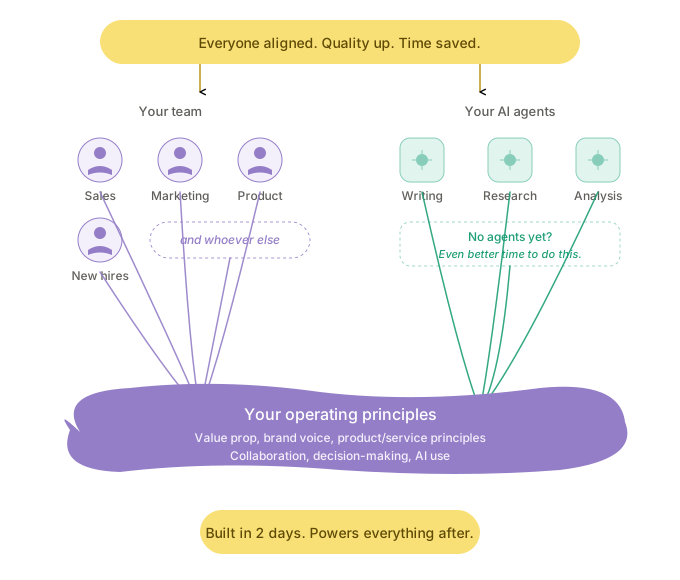
Your team and AI are only as aligned as the principles behind them
Not a workbook. A foundation your team and your AI tools both run on.
"I think every company in the world is going to need one."
Tom Blomfield, Y Combinator — Requests for StartupsMany of the fastest-growing companies run on written operating principles that humans and AI both read from. They call it different things. Company OS. Working principles. The source of truth. The company's second brain.
Y Combinator now lists the "company brain" in its Requests for Startups. The argument: the blocker to AI actually helping is no longer the models. It's that your company's know-how is scattered across people's heads, old email threads, and half-remembered decisions.
We agree. But you don't need to wait for a startup to build you the software. The brain is your judgment, written down. You can build the first version in two days, with peers, on your real business.
AI can draft the words. Only you can decide what your company actually believes.
How the two days run
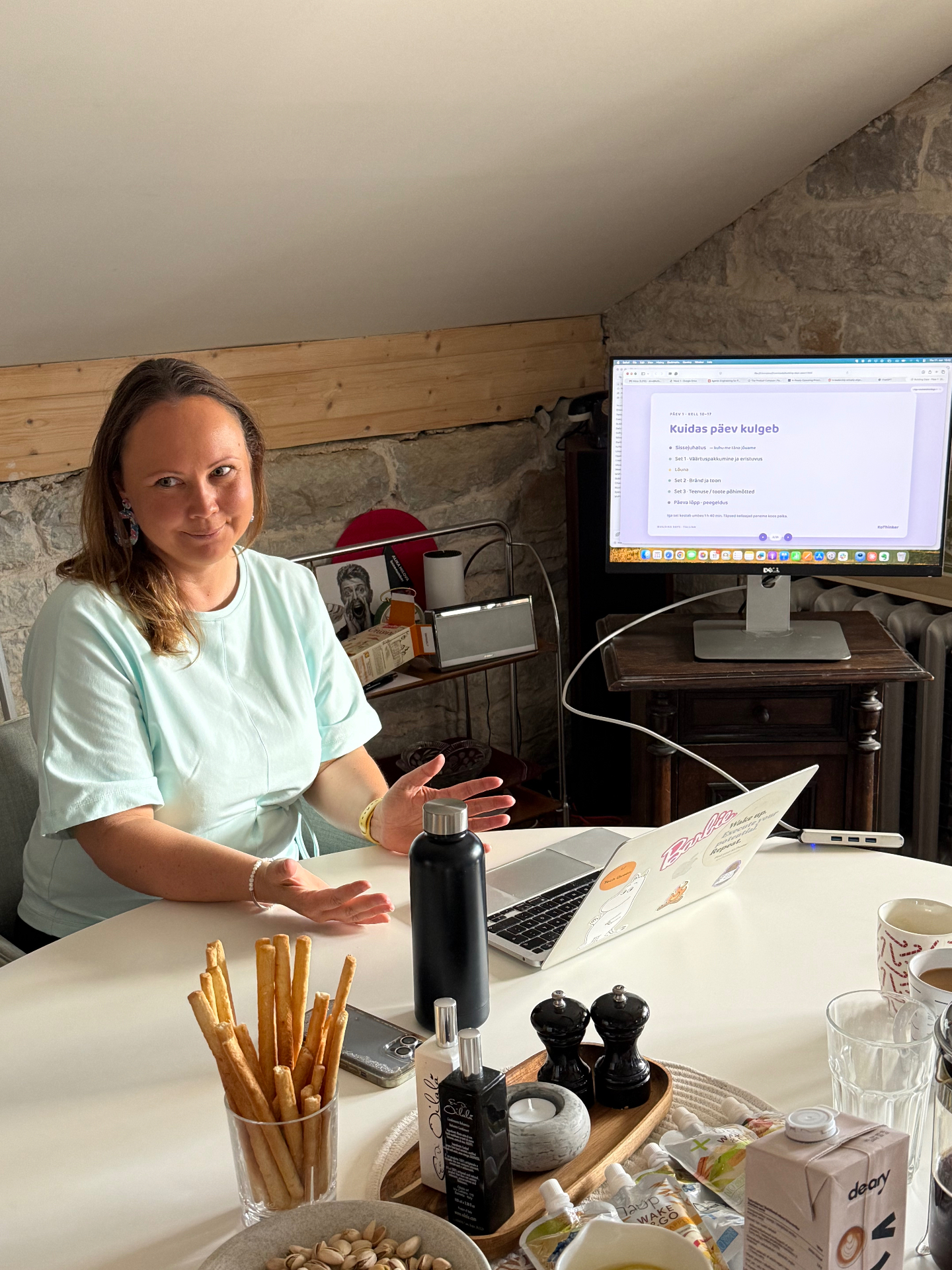
We start by opening up a real, working company brain: KoThinker's own. Our actual skills, our actual agents, live, with your questions. Then you build yours.
How the world sees you.
Live demo: a working company brain, opened up.
Build the structure of your own company brain.
Pick 2–3 skills: value proposition, brand & tone, product principles.
Build your first agent — real output for your business.
Demo round with feedback from the group.
How work gets done.
Look back: what held up overnight, what needs another pass.
Pick 2–3 skills: collaboration, decision-making, AI-use principles.
Build your second agent, pulling from both days.
Final demo round and feedback.
Your plan for what the brain does next, and who owns it.
The output standard.
Every principle you write in these two days has to pass four tests. If a principle fails any of them, we rewrite it before it leaves the room.
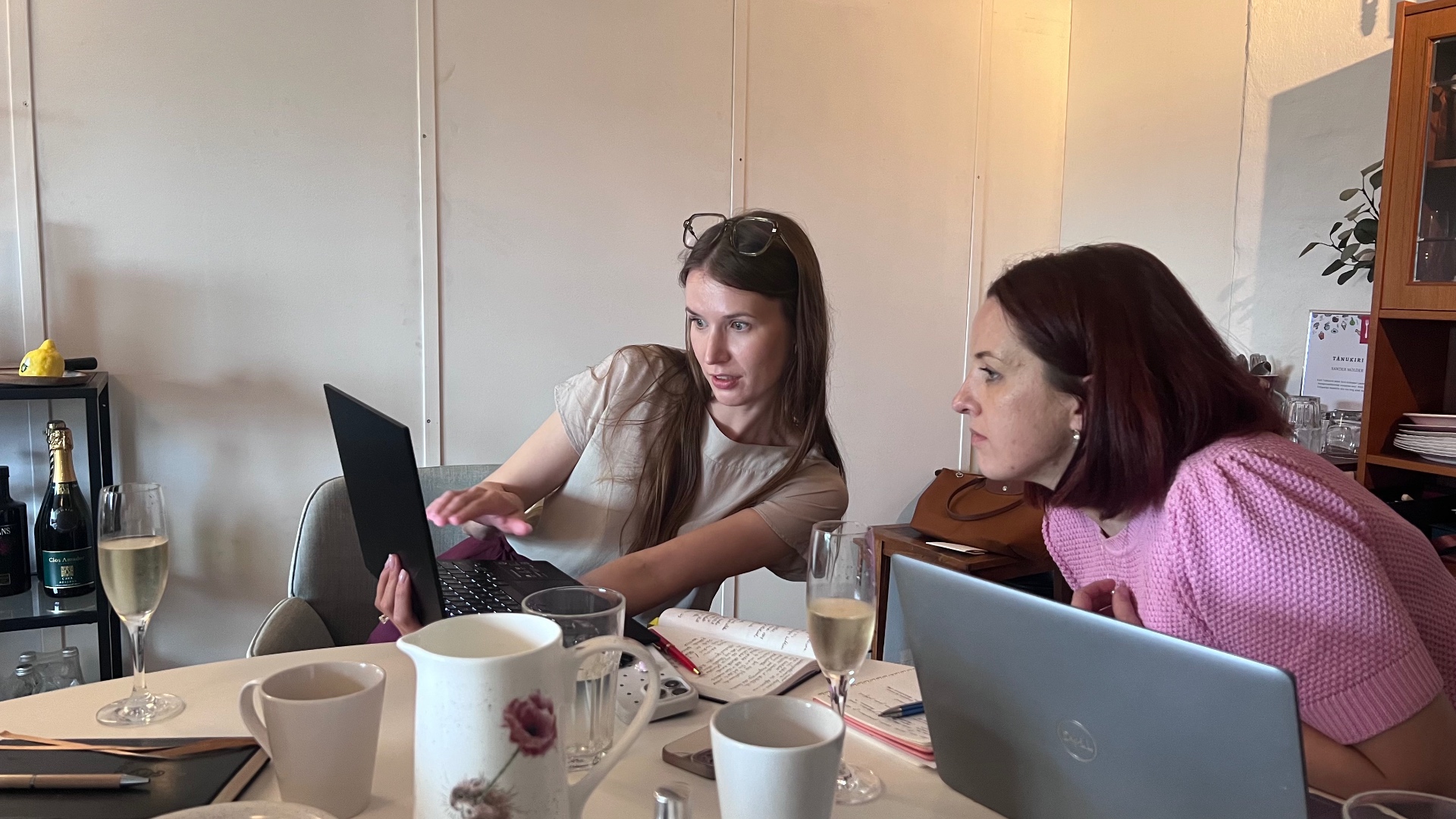
The first cohort ran in June. What they built is still in use
I've learned more today than in the past five years.
I finally saw the big picture: how we move to 2.0 and how the workflow runs through the whole team.
You should charge much more for this.
"Everything we built is still in use. The biggest change is that my goals now live in AI, and I build my work plans there. Priorities, lessons learned, all of it. The most valuable thing was the shift in understanding: AI is not just a tool for every individual. It's the central core of the company, where the know-how and the processes are built up."
— Birgit, June cohortNine seats. No direct competitors. People who can actually help each other
9 leaders in the cohort. Bring up to 3 people from your leadership team, as that's often when the work travels furthest back into the company. No two companies in direct competition. Everyone at a stage where they can give each other situational feedback that's actually useful.
The short application is how we make that real. We ask a few questions about your company.
Most leaders try to do this work alone with ChatGPT or Claude, or pay £15k to a consultant, or postpone it indefinitely. Two days, a small group of peers, and an experienced facilitator is the format that actually finishes it.
For business leaders who already run something
A June participant put it best a month later: "10 out of 10, but only if the person is ready to change how work gets done. For AI tricks and better prompts, YouTube is free."
This is for you if…
This isn't for you if…
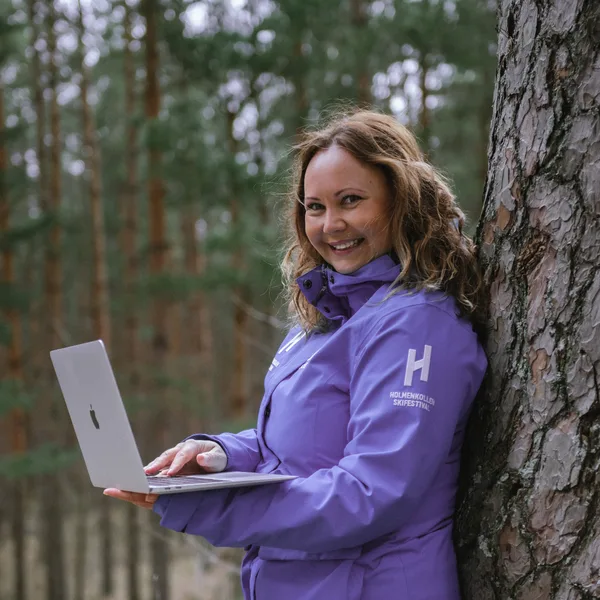
Aive Uus
I am the founder of KoThinker and a former CEO of a quickly growing tech company. I've been building operating principles for real businesses for years, long before AI made the practice urgent. These building days are built on the same follow-through methodology I use every day in my own work.
You can read more of my thinking on Substack. I write about follow-through, building companies that scale without breaking, and leading through real shifts.
Read the SubstackIt doesn't end when the two days do
The building days. You leave with two working agents and a plan for what's next.
A short online check-in: what's running, what got stuck, what needs a push.
A mentoring session with Aive. Up to 2 hours, online, for you and your team, to fine-tune what you built and help it travel into daily work.
A few questions you might have
The practical part
Sept 22–23, 2026
Both days 10:00–17:00
London
Exact venue shared with confirmed participants
9 seats
Up to 3 people per company
£790 + VAT
Early Bird until 1 Sept: £550 + VAT
Two days. Your real company. Principles that last
Nine seats in the September cohort in London. If the timing is right for you, apply now. If it isn't, join the list for the next one.